
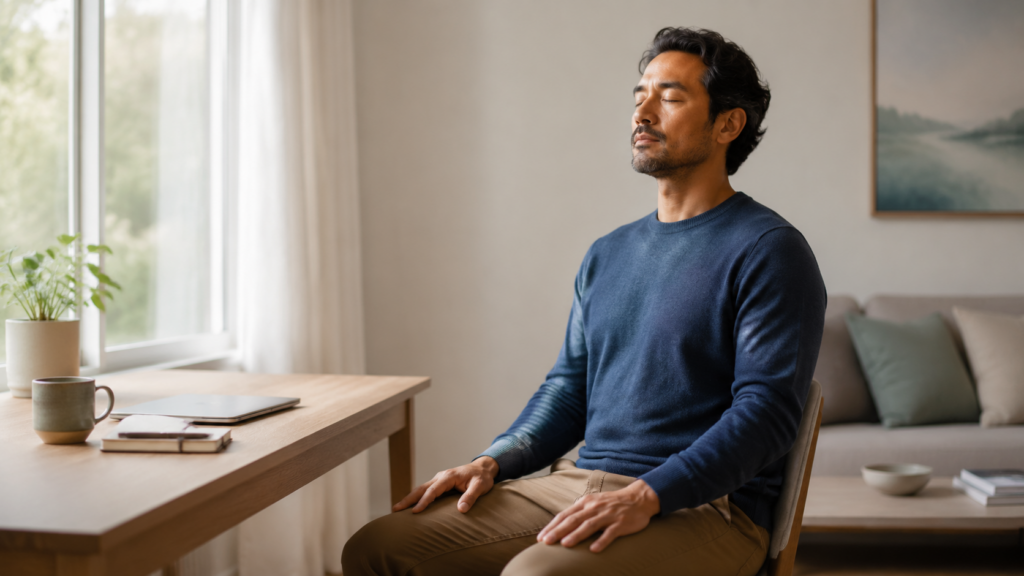

Anxiety & Stress
Explore articles covering topics such as anxiety, stress management, emotional regulation, mindfulness, healthy coping skills, self-care, and resilience to help you move toward greater balance and well-being.
Our therapists at Couples TLC provide evidence-based resources to help you better understand anxiety and stress, recognize common symptoms, and develop practical strategies for managing them. Whether you're experiencing everyday stress, navigating a major life transition, or looking for healthier ways to cope with worry, you'll find compassionate guidance grounded in research and clinical experience.
No posts found!

Individuals
We work with children, adolescents, and adults to help them to recover from anxiety, depression, stress, and compulsive behaviors. Don't try to manage your emotions alone. Let us help.
When you feel alone, unheard, and dismissed, let us help to bring happiness back to your life.

Couples
We help couples to recover from relationship distress. We work with addictions, physical and emotional affairs, communication difficulties, verbal fights, and loss of romance and intimacy. Reach out to us, and let us help you to put your relationship back on track. Do not suffer one more day.

Families
We help families to find balance and to improve their quality of life. We work with parents and children to restore connection, reduce chaos, improve communication, and develop a healthy parent-child relationship. We offer space for the whole family to meet and facilitate the family restoration process.
Schedule Your
Appointment
Phone: 714-519-3944
Schedule Online
The Gift Of
Therapy
Gift Certificates Are
Available Here.
Frequently Ask Questions
What is the difference between stress and anxiety?
Stress is typically a response to an external challenge, such as work deadlines, financial concerns, or major life changes, and often improves once the situation is resolved. Anxiety, on the other hand, may persist even when no immediate threat is present and can involve ongoing worry, fear, or physical symptoms that interfere with daily life. Understanding the difference can help you determine when additional support may be beneficial.
How can you tell if anxiety is causing physical symptoms?
Anxiety can affect both the mind and body. Common physical symptoms include a racing heart, muscle tension, headaches, dizziness, stomach discomfort, fatigue, sweating, trembling, and difficulty sleeping. While these symptoms are often associated with anxiety, they can also have medical causes. If symptoms are severe, persistent, new, or concerning, it's important to consult a healthcare professional for an evaluation.
How can you stop a panic attack when it starts?
Although panic attacks can feel overwhelming, they are temporary. Many people find relief by slowing their breathing, grounding themselves through their senses, reminding themselves that the feelings will pass, and focusing on calm, steady breaths. Developing coping strategies with a licensed mental health professional can also help reduce the frequency and intensity of panic attacks over time.
What are the most effective daily ways to manage chronic stress?
Managing chronic stress often involves a combination of healthy habits rather than one single solution. Regular physical activity, quality sleep, balanced nutrition, mindfulness, relaxation techniques, healthy boundaries, meaningful social connections, and taking breaks throughout the day can all support emotional well-being. Small, consistent habits often have the greatest long-term impact.
How can you manage work-related stress and burnout?
Work-related stress can often be reduced by setting realistic boundaries, prioritizing tasks, taking regular breaks, communicating openly with supervisors when appropriate, and maintaining a healthy balance between work and personal life. If stress becomes overwhelming or begins affecting your physical or emotional health, speaking with a therapist can provide practical coping strategies and additional support.
When should you see a doctor or mental health professional for anxiety and stress?
If anxiety or stress begins interfering with your relationships, work, school, sleep, or daily functioning—or if symptoms become persistent, overwhelming, or difficult to manage on your own—it may be time to seek professional support. A healthcare provider or licensed therapist can help determine the underlying cause of your symptoms and recommend an appropriate treatment plan.
What is the difference between therapy and medication for anxiety?
Therapy and medication are both evidence-based approaches for treating anxiety, but they serve different purposes. Therapy focuses on understanding thoughts, emotions, and behaviors while teaching long-term coping skills. Medication may help reduce symptoms for some individuals by addressing underlying biological factors. Many people benefit from one approach, while others may benefit from a combination of both. The best treatment depends on each person's unique needs and should be discussed with a qualified healthcare provider.
How can you help a loved one dealing with severe anxiety?
Supporting someone with severe anxiety begins with listening without judgment, offering patience and reassurance, and encouraging them to seek professional help when appropriate. Avoid minimizing their experiences or trying to "fix" their anxiety. Instead, remind them they are not alone and support them as they work toward healthier coping strategies and treatment if needed.
